Black History Month in Connecticut: Lessons About Race

The fight for equality of education—and for respect in the classroom for children and teachers of color—in Connecticut towns can be traced back nearly two hundred years. Entrenched social biases had long created de-facto segregation within the state’s education system. In 1831, the citizens of New Haven successfully fought the opening a mechanical college for Black men and in 1833 Prudence Crandall, a Quaker teacher was arrested in Canterbury, Connecticut for opening a school for young Black Girls. In 1868, in response to a state Educational Law requiring open enrollment in public schools despite students’ race or color, the Hartford School system voted for “separate but equal” schools for non-White children. 
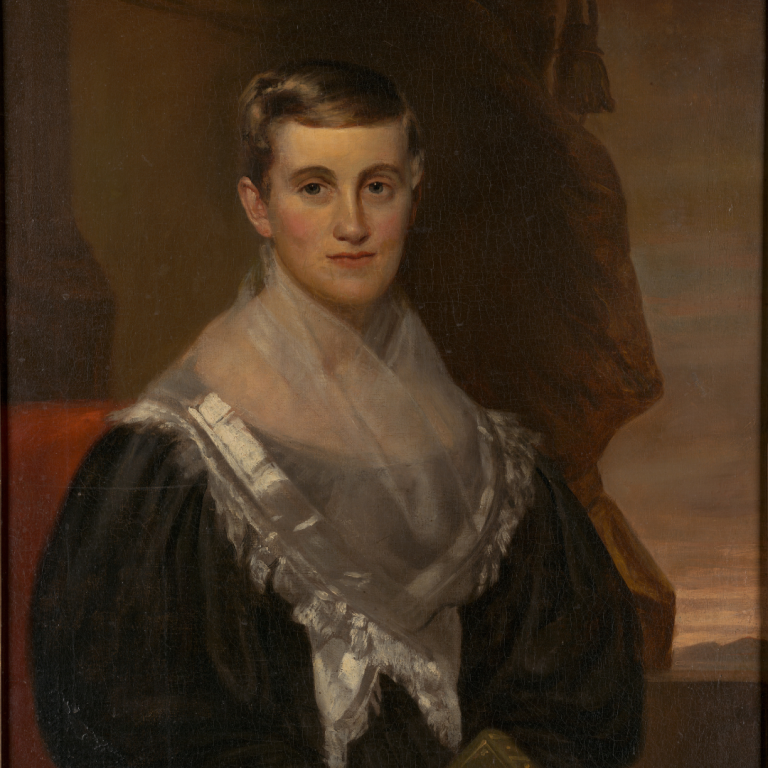
By the twentieth century, negative attitudes toward Black students in largely White public schools—particularly in affluent neighborhoods—remained entrenched. While the active years of the Civil Rights Movement brought the legal fight against school segregation to the South, Northern communities were often overlooked for their de facto segregation of children of color from public schools.  

Project Concern

In July of 1970 a group called “Westporters for Equality in Schooling” sent a letter to Joan Schine, Westport Board of Education chair. The group asked for Project Concern, a national school integration plan which brought elementary age children of color from under-resourced areas of Bridgeport into Westport schools, to be placed on the board’s agenda. A bitter fight ensued. 

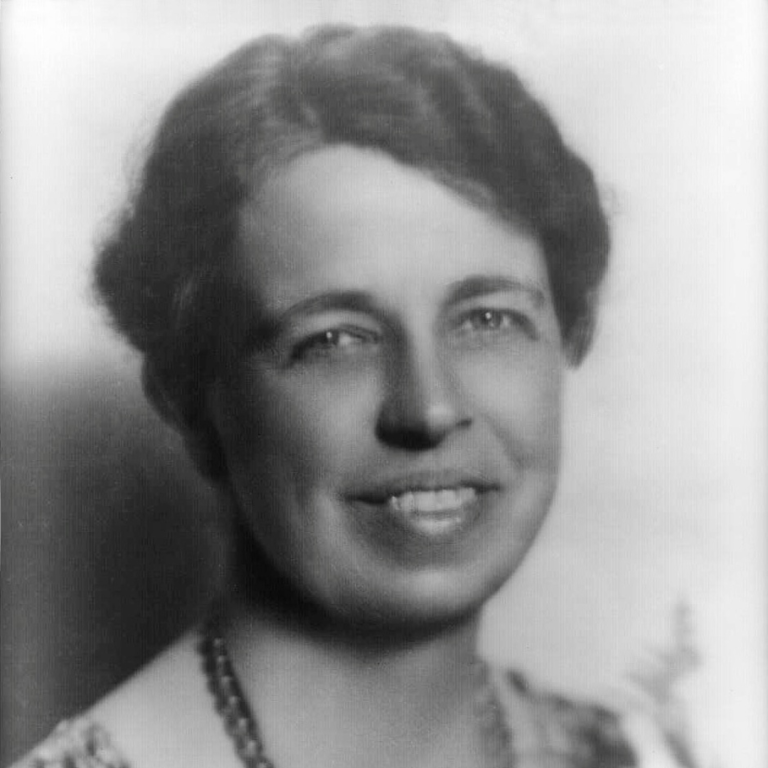
The program was overseen by Cliff Barton, a ground-breaking Black educator who was a former teacher and administrator with passion for looking after students with special needs—including those disenfranchised by racial inequality. Barton had joined the town school system in 1958—the same year former first lady Eleanor Roosevelt made public remarks about the need for human rights and human dignity to begin in “small spaces” including schools.  ”Such are the places where every man, woman, and child seeks equal justice, equal opportunity, equal dignity without discrimination,” she wrote.

Where, after all, do universal human rights begin? In small places, close to home – so close and so small that they cannot be seen on any maps of the world. Yet they are the world of the individual person; the neighborhood he lives in; the school or college he attends; the factory, farm, or office where he works. Such are the places where every man, woman, and child seeks equal justice, equal opportunity, equal dignity without discrimination.


Eleanor Roosevelt, American political leader and activist

By December, the discussion to participate in Project Concern had moved to a vote. On the 7th the Board of Education passed the resolution to bus 25 African American students from grades 1 through 3 to Westport, with the final vote to pass being cast by chair Joan Schine herself.

The vote created community upheaval, and many protested the move, sparking the creation of the “Recall Committee”: a parent group formed to remove Mrs. Schine. On New Year’s Eve an article in the Bridgeport Post reported a petition with nearly 4,000 signatures was delivered to Town hall to request such a recall after Schine refused to hold a referendum. Local attitudes toward Project Concern can be viewed in the documentary film below. 

The City of Hartford had already opted into the program in 1966, with its own share of push back and criticism. Opponents of the vote feared that the program would lead to a “dangerous opening wedge in an undeclared campaign to bring more and more ghetto children into Westport with consequent dilution of the quality of education.”

Today in Westport, we are engaged in a situation in which the forces and agents with the most power reign temporarily in an eternal “king of the hill” struggle.


Joan Schine, Westport Board of Education Chair, 1971

Subsequently, the Westport Board of Selectman called for a special election to remove Ms. Schine. The case went to the Connecticut Superior Court and resulted in the dismissal of the proposed recall vote entirely. Schine continued in her role as Chair and remained active in the town government. In June of 1971 Joan was quoted saying, “Today in Westport, we are engaged in a situation in which the forces and agents with the most power reign temporarily in an eternal “king of the hill” struggle.”  

Where Are We Today?

Project Concern continued and expanded, evolving into Project Choice, and paved the way for programs like Open Choice and A Better Chance which continue today. Despite hard-won gains, the fight for true equity in schools continued leading one scholar to note in his article “Nineteenth Century De Jure School Segregation in Connecticut”: 

“It becomes increasingly evident that Connecticut’s response to the problem of racial isolation in its public schools has been in the past and is now characterized by flashes of decisiveness and statesmanship, interspersed with periods of anguished vacillation.” 

Today, Connecticut student body is almost equally divided between White and BIPOC students. Yet the state’s school districts remain highly segregated. White children largely attend schools with 75% other white children and BIPOC (Black, Indigenous, People of Color) children attend schools with 75% other BIPOC children. In 1996 the state Supreme Court ruled on Sheff Vs. O’Neill, finding that the Hartford School District was violating the state’s anti-segregation clauses. However, with little guidance or benchmarks toward achieving desegregation by 2003, little progress had been made.  


To learn more about artists, activists, and educators who impacted Westport and our African American community visit our Remembered exhibition with the button below.
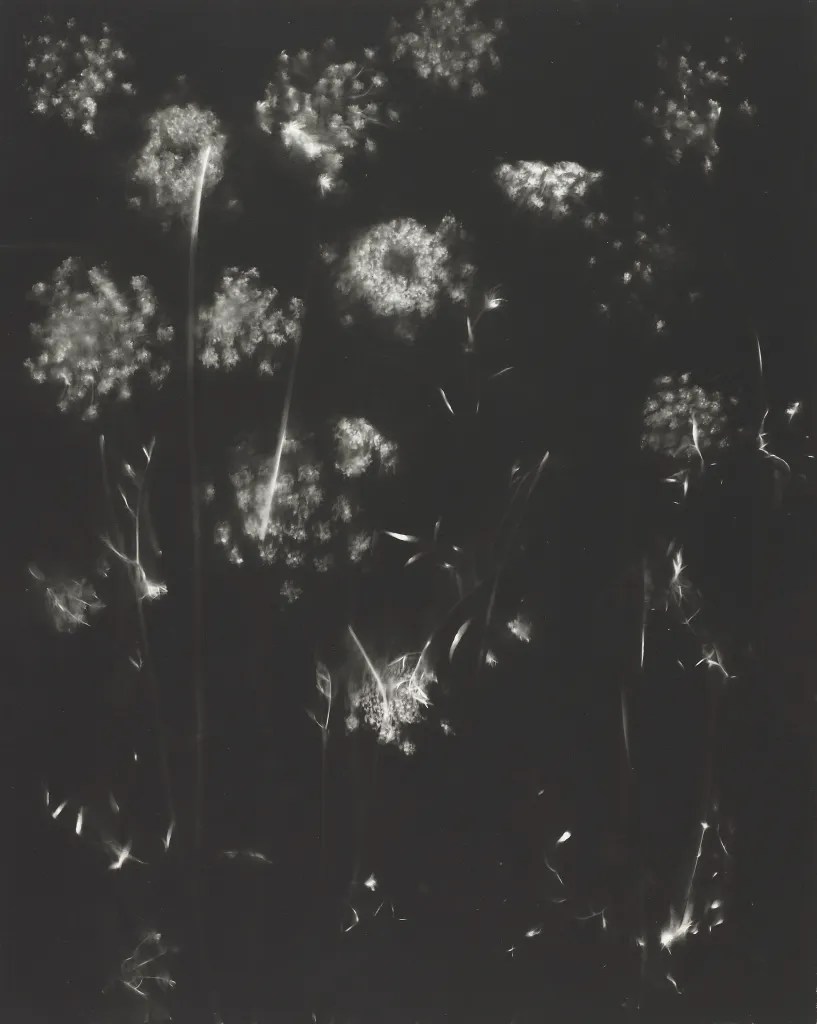
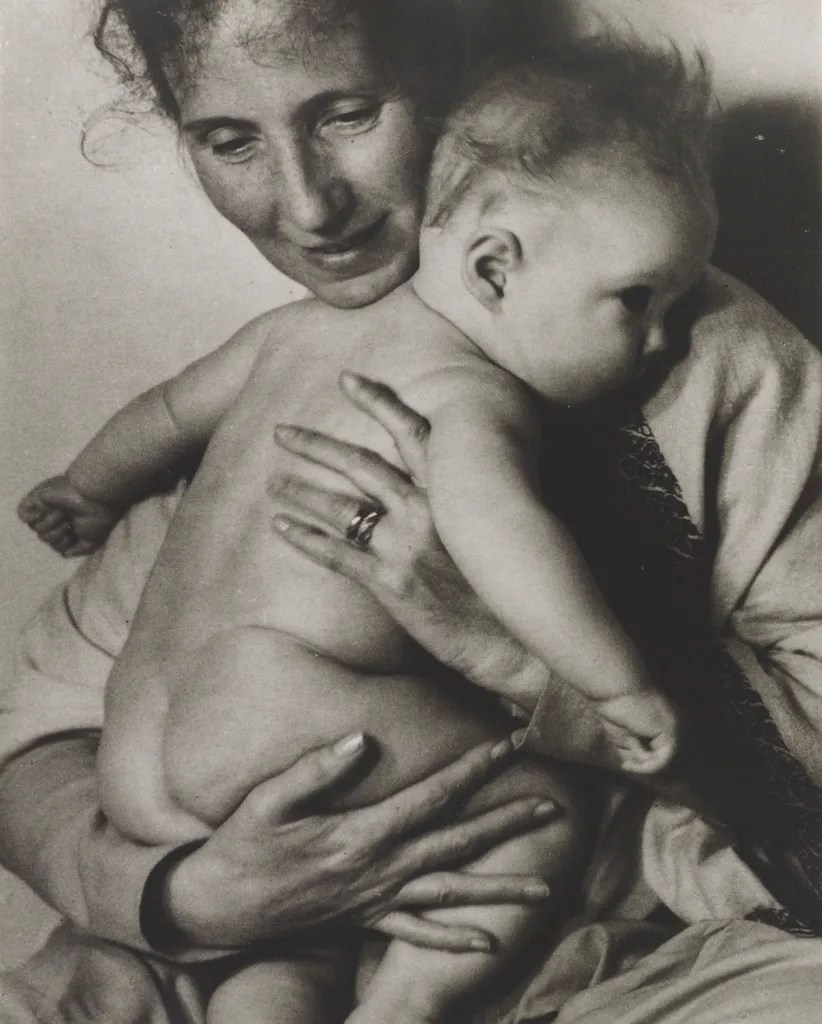
Nell Dorr: Only Beauty Remains

Context Matters 

Social events do not occur in a vacuum nor should they be interpreted as such. To try and understand a person of historical import, we must first explore the time in which they lived and the situations that shaped them. In order to provide historical context this exhibit is produced in “layers”.

The catalogue offers greater detail about Nell Dorr’s life and work and the online exhibition shares details about the world in which the photographer lived and how events may have influenced or shaped her artistic view. In each section of the exhibit and throughout the catalogue, you will find a QR code that will allow you to learn more. 

The online exhibit is a compliment to the full exhibition at the museum. All of the materials here are exclusive to the online version. Select a topic area to see associated objects, explore resources and learn about Nell Dorr.

Explore resources and other readings to get a better understanding of the world Dorr was apart of.

Focus On: Ellis Freeman Family

Trey Ellis and Dr. Amanda Freeman and their blended family have lived in Westport for almost a decade. Mr. Ellis is an award-winning screenwriter, novelist, essayist and producer whose work ranges from the 1995 film Tuskegee Airmen, featuring Lawrence Fishburn to the HBO documentary King in the Wilderness. Dr. Freeman is a sociology professor at the University of Hartford who focuses on poverty and policy. She is also a contributor to the Atlantic. In 2019, their son Chet, now a Harvard University sophomore, was the first-place winner of TEAM Westport’s Diversity Essay Contest. 

We moved to Westport 9 years ago from the Upper West Side [of Manhattan]. Our daughter, Maia who is now 14 was entering kindergarten and we weren’t happy with our zoned options. We wound up getting off the waiting list at the public school we wanted on the same day we actually moved to Westport. We were looking for a suburb with great schools, the beach and the arts that was roughly in between Hartford and NYC.

We are a blended family. Maia lives at home with Pamela who is three and a half. Our son, Chet, 19, [Staples, 2019] lived here until he headed off to Harvard where he is now a sophomore and Ava, 22, recently graduated from Columbia and moved to Boston to take a job in data analytics with Wayfair. We all lived together back in Westport for the first six months of the pandemic.

We live in a small house and we were intensely bonding during the first six months home altogether. In September, Chet decided to live with some friends in Boston even though his classes were online. Ava had signed a lease on an apartment in Boston with a friend back when she was assuming she’d be working (somewhat) in person, so she also moved to Boston in September. We didn’t see the kids again until the holidays and had them quarantine for a few days and test before coming home.

Taking covid precautions with someone immune-compromised in our household somewhat hampered us taking part in Black Lives Matter protests and demonstrations, but this movement has drawn attention to many of the issues that are important to us and hopefully will lead to real and lasting social change.  

Trey: I have been teaching online at Columbia’s graduate film school but also working on various projects inspired by this tumultuous year. I’m currently writing a fictional podcast about social justice for Futuro Media and the Kellogg Foundation that I’m very proud of.

Amanda: As a sociology professor and someone who writes about social issues impacting low- and middle-income families, the pandemic has called attention to many issues of inequality and in many ways created more work for me.

…the pandemic has called attention to many issues of inequality…

In terms of social issues, we feel that the town has dealt with the pandemic extremely well. We were a famous early hotspot but the town government has been extremely cautious and communicative.  The issue of inclusion in a super wealthy town or really any town built around single-family home ownership is problematic.  We need to do much, much, much better.

The public discourse [around social issues] thanks to Team Westport and frankly the WMHC [Westport Museum] has been excellent. However, we wish we could all figure out a way for more action and real change for Fairfield County. We worry a great deal about the lack of racial and economic diversity in Westport. We worry about the loss of the artistic community that can no longer afford to live here. 


Explore More of “Westport In Focus”

To read more of the museums long lens oral histories please visit the Westport In Focus page.

Focus On: Minnie Lee Seo

Korean-American Westporter Minnie Seo graduated from Laurelton Hall in Milford in 2020. She majors in Music Education at UCLA College and spoke at the #StopAsianHate rally that took place in downtown Westport in April.

I believe that racism is the biggest crisis we are facing today. It is a huge topic and I would never want to dilute the seriousness of it, but it is a multi-faceted beast that lives within all problems of our lives today. Climate change, sexism, ageism, etc. are all intertwined with racism. It’s the root of many problems, but goes unchallenged a lot of the time. 

I believe that the world is changing, but it is changing very slowly. I believe we are finally seeing other points of view that can dissolve our ignorance, but this is happening on an individual basis. My world is always changing, I am always learning new things, but sometimes I see Westport, and I see the structures of supremacy that reign [here and all] over this world. I am reminded that some have chosen to uphold hurtful traditions rather than to break the cycle, and stick up for those from under-represented communities. Westport, I feel, will be the most difficult place to change because it is resistant to change. It allows little room for those who don’t fit its narrow standards.

I think that Westport is doing extremely poorly on these issues. There doesn’t need to be investigations to show that a school with a student body population that is more than 80% white is non-inclusive.  I do not know how to describe it very eloquently, but for most people of color, when we enter a room, state, town, etc. that is mostly white, our guard has to be up. 

I feel like the community is coping with the major events in the nation very superficially but the issue we are specifically dealing with Westport is not just respecting people of color, but also breaking the notion that somehow racism doesn’t exist in Westport. I have often seen people view themselves as “above” racism or “seeing no color,”–basically viewing themselves as separate from the issue, even claiming at times that racism does not exist. If our first hill to climb is getting the community to accept that racism exists within Westport, we have a long way to go if we want to be directly supporting ethnic minority communities. 

Page BreakI think that my life in Westport has been filled with isolation, exclusion, and violence, which is something I think myself and other members of my family have always known, but always kept to ourselves. Now it seems like that exclusion and violence is very much public, and there is no way to really avoid it. From the time immigrants step foot into this country, there is a kind of generational trauma that is handed down. This stems from the various times the large (white) majority have painted immigrants as dangerous. For my family, this can be seen in the new wave of “Yellow Peril“ that has consumed this nation. It’s brought out our survival skills, where we must rely on each other, keep our heads down, protect our elders, and hope for the best. 

My biggest hope is that we learn that loving or taking care of others requires more than just holding affection in our hearts for people: I love you, and so I will wear a mask so that you will hopefully not get sick. I love you, and I care for you, so I will learn and make sure that the actions I make will not hurt you or others like you. I fear that many people will become complicit if they do not take time to analyze their own fears, passions, and flaws. Racial equity and other topics are not just buzzwords, they are human rights and that should never be a trend, but continuously analyzed and improved upon.

Racial equity and other topics are not just buzzwords, they are human rights and that should never be a trend

Westport Museum encourages donations to Stop AAPI Hate as well as following them on social media as they continue to address anti-Asian hate amid the pandemic.


Explore More of “Westport In Focus”

To read more of the museums long lens oral histories please visit the Westport In Focus page.

One Year On: Re-Focus on Nicole Gerber

Nicole Gerber was one of the first Westporters to be featured in the Westport in Focus series (her interview posted March 26, 2020).  At that time, she had taken a step back from her role as co-director of AWARE CT. In October 2020 she began doing fundraising and development for Wakeman Town Farm. The Museum asked for her thoughts on the past year in quarantine and her work on the 2020 Presidential Election. 

This has been a real journey for me. When this first started I had a positive outlook on the situation. I believed this was temporary. We’re all going to go into quarantine, we’re going to spend a few weeks sort of hunkering down, reevaluate our priorities, and emerge from this as a stronger, healthier, better community. A year later, after experiencing a full range of emotions related to the pandemic, I still believe that we’re going to come out of this in a better place than when we entered.  

About seven weeks into quarantine, I started to become agitated and depressed. My outlook on the situation darkened. There were times when all I really wanted to do was run out of my house screaming and hug the first person I saw. I started speaking with a therapist for the first time in twenty years, and I learned how to lean into my amazing support system and friends. Like so many dog walks, Zoom happy hours, and virtual cooking dates became my way of connecting with friends and extended family. I also developed a deeper appreciation and affection for my neighbors because there have been times when they were the only people I saw for days and weeks on end.  

The truth is that for us this last year has been a gift.  I feel like we got a bonus year of very close time with our children who, at ages 14 and 12, would normally prefer to be with friends over family. For years my husband had an intense travel schedule for work, and we really only spent time with him on weekends. But this past year my husband and I got to spend real time together, we rediscovered each other, we worked on our marriage, and the kids got to know him on a deeper level. We’ve had some rough moments, but I wouldn’t change any of it. It was in those moments that we got to know each other, ourselves, and we grew as a family.  

I’m hopeful that people have used this time to take stock of their lives and are being kinder and gentler towards each other. I am also hopeful that we are becoming more conscientious of our impact on the environment, and that we take real steps to heal our planet. Because I feel like this pandemic is the result of humanity being very abusive to our surroundings, environment and ourselves. It’s as if Mother Nature is saying to us as a whole, “You really need to rethink your value system and reevaluate how you are living your lives.” 

As part of taking stock of my personal priorities and putting them into action, in October I started doing development and fundraising for Wakeman Town Farm. The Farm is an environmental education and sustainability center right here in Westport. Its mission is to educate adults and children in our community to live a cleaner, healthier, more sustainable lifestyle. So, I’m focusing my energy on making the Farm successful. 

When we first entered quarantine, I was blown away by how many of our neighbors stepped up and volunteered to help people in need, collect PPE for first responders, and in general work together to make the best of a bad situation. What I love about Westport is that people continue to be there for each other. Pandemic fatigue hasn’t curbed our community spirit. I also think Jen Tooker and Jim Marpe have been phenomenal in leading us through this crisis. I appreciate how they’ve been communicating with residents, working closely with local merchants and restaurants, and supporting the schools. That’s been amazing.  

At the risk of ruffling a few feathers, I do think we could have done better with ensuring our older children were social distancing, especially once the weather turned cooler and school started. There was a period of time that I was afraid to send my children to school because the daily number of cases coming out of the high school were high…too high! I get it. I’m a mom with children in high school and middle school. This has been very hard on our kids, but this is also a time for teaching our children about sacrifice and social responsibility. This has been an adjustment for all of us, and it breaks my heart to know that our children are essentially missing out on some of the most important school years of their lives. 

I’m afraid that once we come out of this quarantine we will return to a version of our previously crazy lives. I don’t want to go back to feeling rushed and harried, or my kids feeling pressured to over-schedule their lives.  But all in all, I think that Westport is going to come out of this a stronger and better community than when we entered it.  

In 2020 Nicole was active with the Democratic National Committee. She served as a Poll Observer in Pennsylvania on Election Day and in Georgia (for the special election on January 5, 2021).  

Danielle Dobin and Candace Banks organized the group that went to Pennsylvania. Through the DNC I trained as a Poll Observer and Voter Protection Officer. I was in Pennsylvania on Election Day. And then I was in Atlanta for the runoff elections.  

I was there to make sure that basically nothing hinky happened at the polls, that every eligible voter had an opportunity to vote and to make sure that his or her vote counted on that day. Part of my job was to act as a check and balance to my Republican counterparts, who were also trained and performing the same function as I was, and to record whether or not they were observing state election laws. I also did ballot curing in Georgia, which was so important because I witnessed voter suppression.  

There had been a spike in COVID cases across the country prompting my husband, who is incredibly supportive of what I do, to ask me to consider not going to Georgia. But it was important. So I got myself a N95 mask and a face shield and I quarantined when I came back.  

My 12 year old son was really concerned about me going to Georgia because he was afraid that there was going to be violence and that something bad was going to happen to me. But there was nothing scary or dangerous that I saw in Georgia. People were so grateful that we were there.  

The day I returned from Georgia was Wednesday the 6th– the day that the riots happened in the Capitol. The whole thing was so scary and surreal. 

It was really hard to be away from my family, but it was 100% worth doing. I never doubted that I would be of use, or that my presence wouldn’t be impactful. I always knew that going there I was going to help make a difference.  

It was really hard to be away from my family, but it was 100% worth doing.


Explore More of “Westport In Focus”

To read more of the museums long lens oral histories please visit the Westport In Focus page.